
TanmiaX predicts equipment risks before breakdowns, cutting downtime and maintenance costs while extending asset life.
From HVAC and refrigeration to medical, gym, retail, and industrial machinery, stay ahead of failures with data-driven actions.
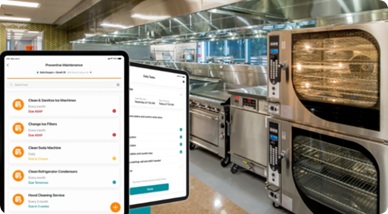
TanmiaX predictive maintenance AI transforms maintenance from reactive to predictive by analyzing equipment data, historical failures, work orders, and operational patterns. The system forecasts risk before breakdowns occur—reducing downtime, lowering maintenance costs, and extending asset lifetime.
Designed for facilities, healthcare, gyms, retail, hospitality, and industrial environments, predictive maintenance AI continuously learns equipment behavior to keep operations running smoothly.
An industrial site applied predictive maintenance AI to pumps, compressors, and rotating equipment. The system predicted wear and failure risk, enabling planned interventions and safer operations.
A hospital used TanmiaX predictive maintenance AI to monitor critical medical devices. Early alerts reduced equipment downtime and ensured reliable availability for patient care.
A hotel applied predictive maintenance AI to HVAC, elevators, and refrigeration systems. Risks were identified before guest impact, helping maintenance teams schedule repairs proactively.
What is TanmiaX predictive maintenance?
Analyzes sensors, usage hours, logs, and history to spot risks early and streamline maintenance.
Detects early malfunction signs across HVAC, medical, gym, retail, and industrial equipment.
Recommends inspection, service, repair, and part replacement timing to cut downtime.
Scores asset risk, forecasts workloads and spares, and flags energy or performance anomalies.
Asset management analytics
Condition monitoring, criticality scoring, and parts planning keep reliability high.
Tracks degradation patterns, energy anomalies, and abnormal behavior in real time.
Ranks assets by risk and impact so teams focus on the most critical equipment first.
Forecasts parts demand and reorder timing to reduce stockouts and carrying costs.
Shows lifecycle cost, workload forecasts, and asset health trends for better investment decisions.
Forecasting maturity levels
Launch quickly at Level 1 and scale to fully integrated, self-optimizing scenarios.
Upload Excel/CSV logs; AI predicts basic risks and trends. No real-time connection.
Mix of manual uploads plus limited CMMS/usage feeds; weekly or daily predictions with spare-parts and workload insights.
Real-time integration with CMMS, IoT sensors, BMS, or ERP; live alerts and automated maintenance scheduling.
Simulates what-if scenarios, optimizes schedules, staffing, and spares automatically; adaptive learning boosts accuracy weekly.
Industry applications
Pre-built playbooks for hospitality, retail, salons, gyms, clinics, restaurants, and manufacturing.
Smart bookings, AI coaching, membership reminders, and upsell journeys.
Concierge automation, room availability, check-in, and personalized upsells.
Product suggestions, loyalty engagement, and instant purchases from photos.
Appointment orchestration, style previews, and targeted post-visit care tips.
Reminders, triage questions, patient engagement, and secure data updates.
Table booking, order automation, menu suggestions, and loyalty follow-ups.
Predictive maintenance AI keeps production lines running with real-time alerts and safer workflows.
Core business benefits
Fewer surprises, lower maintenance spend, and longer asset life.
Less downtime with early failure prediction.
Maintenance cost reduction via smart scheduling.
Assets last longer with well-timed service and part replacement.
Better planning and fewer emergency call-outs improve operations.
How it works
Data collection, AI risk analysis, smart scheduling, and clear alerts in one flow.
Gather sensor data, usage hours, failure history, work orders, and operational patterns.
ML detects abnormal behavior, aging components, high-risk assets, and energy anomalies.
Suggests when to inspect, repair, or replace parts, plus required spares and duration.
Real-time alerts for critical risks and visual dashboards of asset health and predicted failures.
Stay ahead of breakdowns, schedule proactively, and keep operations stable.
Frequently asked questions
Key points to know before launching predictive maintenance and asset analytics.
3-6 months of logs is enough to start; more data improves accuracy.
1-6 weeks depending on level and integrations. We handle cleansing, setup, and ongoing maintenance.
Yes. Sensors are optional for Levels 1-2; we can add them later as needed.
Absolutely. Begin with manual uploads and grow to full automation plus simulations.
Typically 20-40% better accuracy than manual methods; downtime drops up to 30%.
Yes. Connects to most CMMS, ERP, BMS, IoT platforms, and asset databases.
Start now
Request a live demo of TanmiaX Predictive Maintenance & Asset Analytics.